
This Feels Like Too Much Admin for Living
On exhaustion, grief, and the strange heaviness of ordinary life

I stopped saying I was tired recently, partly because I realised I had been saying it for so long that the sentence had almost lost all meaning. At some point over the last few years, “I’m tired” stopped describing an actual state of exhaustion and slowly became my default response to life itself, which is unsettling when you think about it.
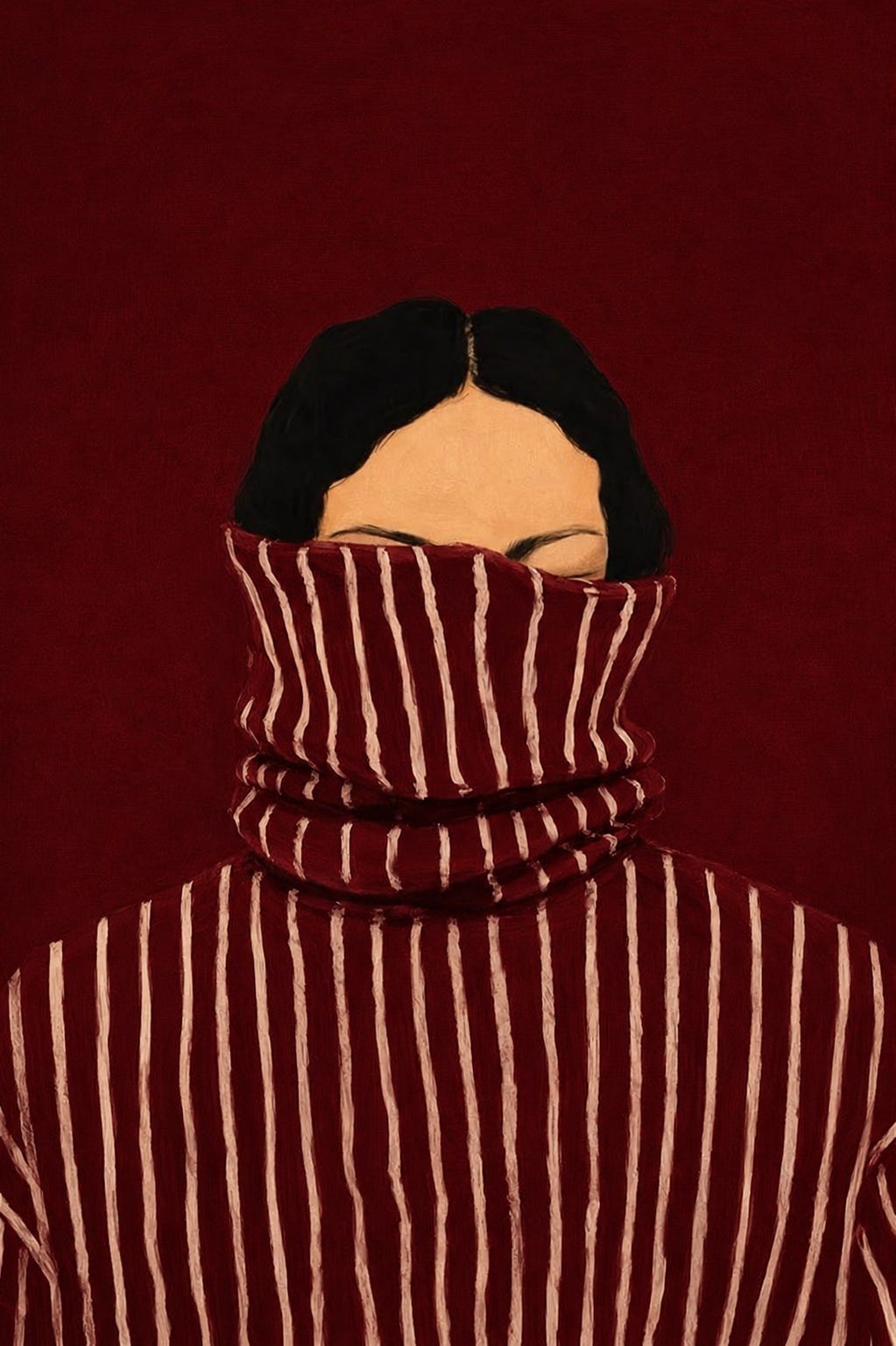
The strange thing is that almost everyone I know seems to speak the same way now. We are tired after resting, tired after weekends away, tired before the week has even properly started, and tired in ways that sleep never really seems to resolve. I do not even think we question it anymore because exhaustion has become such a normal part of modern conversation that it barely registers as concerning.
Lately, though, I have started wondering whether some of what we call exhaustion is actually grief that has gone unnamed for too long.
Not grief only in the traditional sense, although loss existed on a very real scale during the pandemic and continues to exist quietly in many people’s lives now, but grief connected to interruption. Grief attached to the lives people thought they were building before everything changed shape so suddenly. There are friendships that never quite recovered, careers that stalled, businesses that disappeared, financial stability that never fully returned, relationships that collapsed under pressure, and versions of ourselves that feel strangely distant now when we look back at photographs from before 2020.
I do not think people fully processed how disruptive that period actually was because life resumed before anyone had properly adjusted emotionally. The world reopened, restaurants filled up again, people started travelling again, offices resumed, birthdays resumed, and somewhere inside all of that there was an unspoken expectation that everybody should simply continue moving forward because technically the worst had passed.
But human beings do not recalibrate that quickly.
I think there is a reason so many people feel emotionally disoriented now, even when life appears normal on the surface. We moved from isolation into stimulation almost immediately. People went from sitting alone inside their homes for months to trying to rebuild social lives, careers, routines, ambitions, relationships, and identities all at once, and I genuinely do not think we speak enough about how psychologically strange that transition was.
Instead, people say they are burnt out.
And perhaps they are, but I also think exhaustion has become a socially acceptable way to describe feelings that are far more difficult to articulate. Grief sounds too dramatic when life technically continued. It feels excessive to say you are grieving when nobody can visibly see what was lost. So we keep functioning, keep working, keep posting, keep showing up, and somewhere underneath all of it there is this quiet heaviness that never fully leaves.
I think that heaviness has changed the way people approach life itself.
A few months ago, I found myself thinking about how complicated ordinary experiences have become. Something as simple as meeting a friend for coffee now somehow involves scheduling, budgeting, travelling, coordinating diaries, choosing a location, deciding what to wear, and occasionally documenting the entire thing afterwards. None of these things are inherently bad on their own, but when every small interaction starts carrying this level of organisation around it, life begins to feel strangely administrative.
That was the thought that stayed with me: there is too much admin for living.
I scroll online the same way everybody else does, and I understand why people are drawn to the language of romanticising life. After years that felt uncertain and frightening, it makes sense that people want beauty now. It makes sense that people want softness, intention, memorable experiences, good food, beautiful spaces, and moments that feel meaningful enough to hold onto.
Still, I cannot ignore how much pressure has quietly attached itself to ordinary life in the process.
Even rest now arrives with expectations around it. A cup of coffee somehow becomes connected to atmosphere, aesthetics, presentation, and experience. Going out for dinner can sometimes feel less like a spontaneous decision and more like a small production. There are moments where it feels as though life is no longer allowed to simply exist as it is without first being shaped into something presentable.
The fact that we all understand what “Instagram-worthy” means without needing explanation says a lot on its own.
When I think about the way I grew up, life did not feel this layered. People visited each other without elaborate planning. Someone knocked on the door, tea was poured into whichever cups were clean, conversation happened naturally, and somehow that was enough. Even now, my grandmother and her friends still move through life that way. They visit each other for simple check-ins, sit together for an hour or two, exchange stories, and leave again without needing the interaction to become anything larger than itself.
There is something deeply comforting about that kind of simplicity, partly because it feels increasingly rare.
I realised this recently while trying to organise seeing a friend I had not spent time with in a while. We kept trying to make plans, but work schedules clashed, finances became a consideration, life kept interrupting in small practical ways, and eventually something that should have been simple started feeling unnecessarily difficult.
In the end, we stopped trying to organise the perfect outing and decided to go for a walk instead.
We spoke for hours. We laughed, caught up properly, and wandered around without any structure around the interaction at all, and when I got home afterwards I realised how long it had been since I had walked away from something feeling fully satisfied by its simplicity alone.
No reservation. No aesthetic. No pressure for the experience to become content afterwards.
Just time spent together.
What stayed with me afterwards was the realisation that some of the conversations that have shaped me most were never planned carefully in the first place. They happened unexpectedly, in ordinary places, with no pressure for the moment to become meaningful while it was happening. And yet those are often the interactions people remember for years.
As I get older, I find myself craving that kind of ease more and more. I still enjoy beautiful spaces, dressing up, thoughtful experiences, and intentional moments when they happen naturally, but I no longer want every part of life to feel curated into significance before I can enjoy it properly.
There is already enough heaviness in the world without adding performance to every ordinary moment on top of it.
And this is probably why so many people feel exhausted all the time now. Beneath the routines, the productivity, the aesthetics, the self-improvement, and the endless pressure to optimise our lives, I think many people are still trying to recover emotionally from years that changed them more than they realised at the time.
Not everything needs to become content. Not every interaction needs to become an experience. Not every part of life needs to justify itself through presentation.
Some things can simply exist.
Tastefully, over drinks.
— KAMOGELO
Thank you
You said everything I was feeling